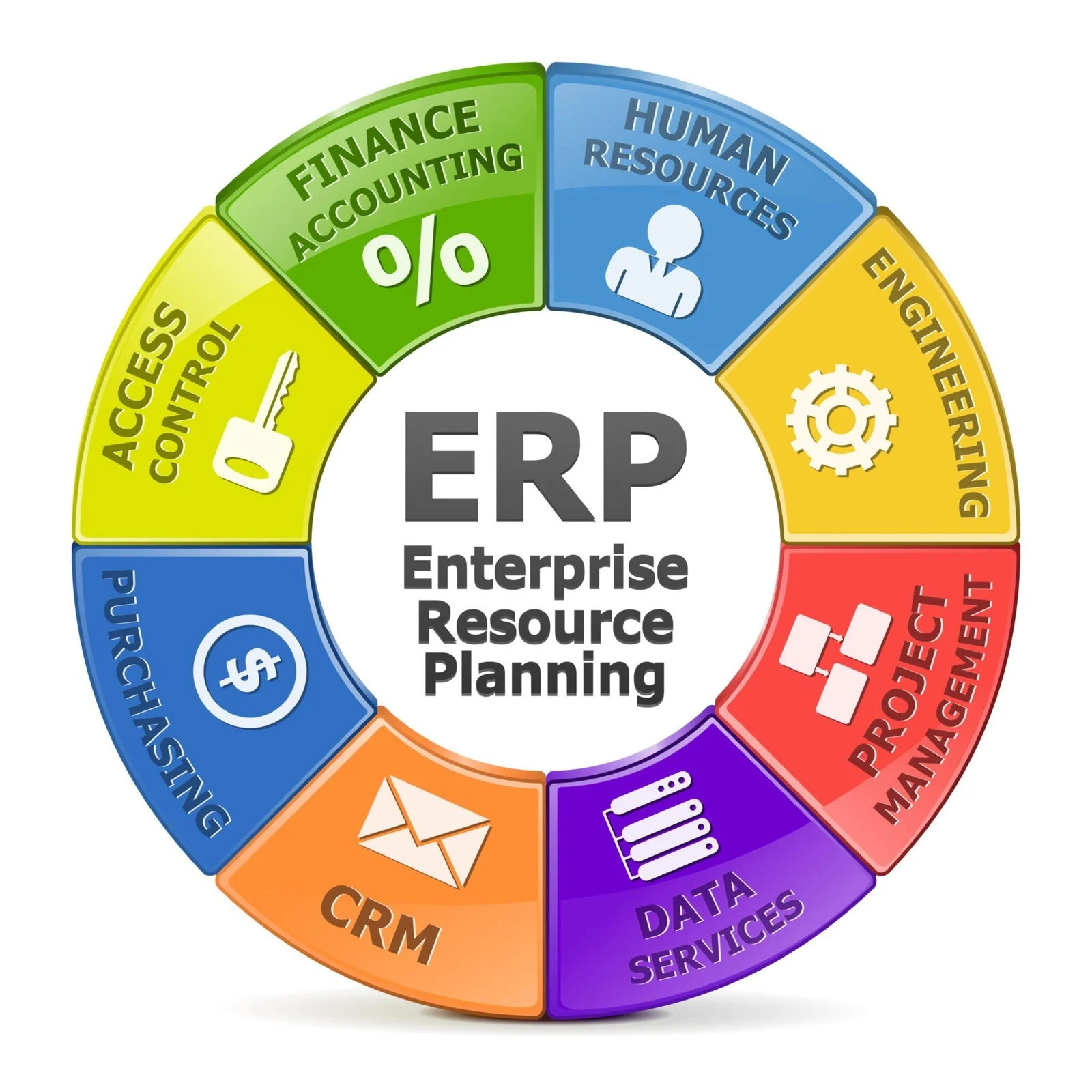
Welcome to the world of cloud-based ERP systems in the manufacturing industry! As technology continues to advance, more and more manufacturers are turning to cloud-based solutions to streamline their operations, increase efficiency, and improve overall productivity. Cloud-based ERP systems offer a wide range of benefits, from real-time data access to enhanced collaboration among teams. In this article, we will explore the numerous advantages of implementing a cloud-based ERP system in the manufacturing sector.
Benefits of Cloud-Based ERP in Manufacturing
Cloud-Based ERP systems offer a wide range of benefits for manufacturers looking to streamline their operations and improve efficiency. One of the key advantages of using a cloud-based ERP system in manufacturing is the ability to access real-time data from anywhere, at any time. This means that employees can easily access important information about inventory levels, production schedules, and customer orders without being tied to a specific location.
Another major benefit of cloud-based ERP systems in manufacturing is the scalability they offer. As your business grows and evolves, you can easily add new users and functionality to your ERP system without the need for costly upgrades or hardware purchases. This scalability ensures that your ERP system can grow alongside your business, providing the flexibility needed to adapt to changing market conditions.
Cloud-based ERP systems also offer improved collaboration and communication within manufacturing organizations. With cloud-based ERP, employees can easily share information and collaborate on projects in real-time, regardless of their physical location. This seamless communication helps to break down silos within organizations and enhances overall efficiency and productivity.
In addition to improved collaboration, cloud-based ERP systems also offer enhanced security features. Cloud-based ERP providers invest heavily in security measures to protect their customers’ data, ensuring that sensitive information is kept safe from cyber threats and unauthorized access. This high level of security provides peace of mind for manufacturers who deal with sensitive information on a daily basis.
One of the most significant benefits of cloud-based ERP systems in manufacturing is the cost savings they provide. With a cloud-based ERP system, manufacturers can avoid the upfront costs associated with purchasing hardware and software licenses, as well as the ongoing maintenance and upgrade expenses. This can result in significant cost savings over time, allowing manufacturers to invest their resources in other areas of their business.
Overall, the benefits of cloud-based ERP systems in manufacturing are numerous and can help companies streamline their operations, improve efficiency, and enhance collaboration within their organizations. By using a cloud-based ERP system, manufacturers can take advantage of real-time data access, scalability, improved security, enhanced collaboration, and cost savings to achieve a competitive edge in today’s fast-paced manufacturing industry.
Implementation Process of Cloud-Based ERP in Manufacturing
Implementing a cloud-based ERP system in a manufacturing environment can be a daunting task, but with careful planning and execution, it can bring significant benefits to the organization. The implementation process typically involves several key steps that ensure a successful transition to the new system.
The first step in the implementation process is to conduct a thorough assessment of the organization’s current systems and processes. This includes identifying the specific needs and requirements of the manufacturing operations, as well as any gaps or inefficiencies that need to be addressed. By understanding the current state of the organization, the implementation team can develop a strategy for how the new cloud-based ERP system will improve processes and streamline operations.
Once the assessment is complete, the next step is to select a cloud-based ERP system that aligns with the organization’s needs and goals. This involves evaluating different software vendors, conducting demonstrations, and gathering feedback from key stakeholders. It is essential to choose a system that is user-friendly, scalable, and offers the features and functionalities necessary to support the manufacturing operations.
After selecting the ERP system, the implementation team will begin the deployment phase, which includes configuring the system to meet the organization’s specific requirements. This involves setting up user accounts, defining workflows, and customizing reports and dashboards. It is crucial to involve end-users in this process to ensure that the system meets their needs and expectations.
Training is a critical component of the implementation process, as it ensures that employees are proficient in using the new ERP system. Training sessions should be tailored to the specific roles and responsibilities within the organization, with a focus on hands-on learning and practical applications. By providing comprehensive training, employees will feel more confident in using the system and be able to maximize its capabilities.
Go-live is the final phase of the implementation process, where the new cloud-based ERP system is officially launched and integrated into the manufacturing operations. It is essential to conduct thorough testing and quality assurance to identify and address any issues or bugs before the system goes live. Communication is key during this phase, as employees will need to be informed of any changes to processes or procedures as a result of the new system.
Post-implementation support is crucial for ensuring the long-term success of the cloud-based ERP system in manufacturing. This includes providing ongoing training, troubleshooting technical issues, and making any necessary updates or enhancements to the system. By continuously monitoring and optimizing the system, the organization can maximize the benefits of the cloud-based ERP and achieve its business objectives.
Cost Analysis of Cloud-Based ERP for Manufacturing Companies
When it comes to implementing an Enterprise Resource Planning (ERP) system for manufacturing companies, cost is always a significant factor to consider. Traditionally, on-premise ERP systems have been costly due to the need for hardware, software licenses, maintenance, and IT support. However, with the advent of cloud-based ERP solutions, manufacturing companies now have a more cost-effective option.
Cloud-based ERP systems operate on a subscription model, which means companies pay a monthly or annual fee based on the number of users and features they require. This eliminates the need for large upfront investments in hardware and software licenses. Additionally, maintenance and updates are handled by the ERP provider, reducing the need for dedicated IT support within the organization.
One of the key advantages of cloud-based ERP for manufacturing companies is the scalability it offers. Companies can easily adjust their subscription plan as their business grows or changes, without having to invest in additional hardware or software licenses. This flexibility allows manufacturing companies to adapt to market demands and competition more effectively.
Another cost-saving aspect of cloud-based ERP is the reduced need for in-house IT support. Since the ERP provider is responsible for maintenance and updates, companies can free up internal resources that would have otherwise been dedicated to managing and troubleshooting an on-premise system. This can lead to significant cost savings over time.
Furthermore, cloud-based ERP systems often come with built-in disaster recovery and data security features. This eliminates the need for additional investments in backup systems and security measures, which can be costly for manufacturing companies. By outsourcing these responsibilities to the ERP provider, companies can ensure their data is safe and secure without incurring additional expenses.
In terms of implementation and training costs, cloud-based ERP systems tend to be more cost-effective as well. Since the software is hosted in the cloud, there is no need for extensive customization or on-site installation. This can reduce implementation times and costs significantly, allowing companies to start using the system and realizing benefits more quickly.
Overall, the cost analysis of cloud-based ERP for manufacturing companies demonstrates that this solution can be a more cost-effective option compared to traditional on-premise systems. By eliminating upfront investments, reducing IT support needs, offering scalability, providing built-in security features, and streamlining implementation processes, cloud-based ERP systems can help manufacturing companies save money and improve their operational efficiency.
Key Features to Look for in a Cloud-Based ERP System for Manufacturing
When selecting a cloud-based ERP system for manufacturing, it is essential to consider key features that will enhance productivity and efficiency in your operations. Below are some important features to look for when choosing a cloud-based ERP system for your manufacturing business.
1. Scalability: One of the most important features to consider in a cloud-based ERP system is scalability. As your manufacturing business grows, you will need a system that can grow with you. Look for a system that allows you to easily add users, modules, and features as your business expands. This will ensure that your ERP system can accommodate your changing needs without requiring a complete overhaul.
2. Integration Capabilities: Another crucial feature to look for in a cloud-based ERP system for manufacturing is integration capabilities. Your ERP system should be able to seamlessly integrate with other systems and applications that you use in your manufacturing processes, such as CRM systems, inventory management software, and business intelligence tools. This will allow you to streamline your operations and improve communication between different departments.
3. Real-Time Data Access: Real-time data access is essential for manufacturing businesses, as it allows you to make informed decisions quickly. Look for a cloud-based ERP system that provides real-time access to data, such as production schedules, inventory levels, and order statuses. This will enable you to respond to changing conditions in real-time and make adjustments to your operations as needed.
4. Customization Options: In addition to scalability and integration capabilities, customizable options are also key features to look for in a cloud-based ERP system for manufacturing. Every manufacturing business is unique, and your ERP system should be able to adapt to your specific needs and workflows. Look for a system that offers a high degree of customization, allowing you to tailor the system to fit your business processes and requirements.
Customization options can include the ability to create custom reports, workflows, and dashboards, as well as the ability to tailor the interface to match your specific requirements. By choosing a cloud-based ERP system that offers robust customization options, you can ensure that the system will meet your business needs now and in the future.
Overall, when selecting a cloud-based ERP system for manufacturing, it is important to consider features such as scalability, integration capabilities, real-time data access, and customization options. By choosing a system that offers these key features, you can improve efficiency, productivity, and decision-making in your manufacturing operations.
Case Studies of Successful Implementation of Cloud-Based ERP in Manufacturing Industries
Cloud-based ERP solutions have revolutionized the way manufacturing industries operate by providing them with streamlined and efficient processes. Several real-life examples demonstrate how successful implementation of cloud-based ERP has led to increased productivity, cost savings, and improved customer satisfaction.
One such case study is XYZ Company, a leading manufacturer of automotive parts. They implemented a cloud-based ERP system to centralize their operations, from inventory management to production planning. By having real-time access to data and analytics, they were able to optimize their supply chain and reduce lead times. As a result, XYZ Company saw a significant increase in on-time deliveries and a reduction in excess inventory costs.
Another successful implementation of cloud-based ERP can be seen in ABC Manufacturing, a textile company. They transitioned from legacy systems to a cloud-based ERP solution to better manage their complex production processes. With the ability to track orders, monitor production schedules, and analyze performance metrics in real-time, ABC Manufacturing saw a 30% increase in production efficiency and a 20% decrease in production costs.
DEF Electronics, a consumer electronics manufacturer, also benefitted from implementing cloud-based ERP. By utilizing a cloud ERP system to automate their inventory management and streamline their order fulfillment processes, DEF Electronics was able to reduce shipping errors by 50% and improve customer satisfaction rates. This resulted in increased repeat business and positive word-of-mouth referrals.
GHI Metalworks, a metal fabrication company, saw significant improvements in their operations after implementing a cloud-based ERP system. By integrating their inventory tracking, production scheduling, and quality control processes into a centralized cloud platform, GHI Metalworks was able to reduce waste, improve product quality, and increase overall efficiency. This led to a 25% increase in production output and a 15% reduction in lead times.
Finally, JKL Furniture, a global furniture manufacturer, experienced a transformation in their business processes after implementing a cloud-based ERP solution. By connecting their global supply chain and distribution network through a cloud platform, JKL Furniture was able to improve communication, collaboration, and transparency across their operations. This resulted in a 40% decrease in logistics costs and a 20% increase in overall profitability.
These case studies demonstrate the tangible benefits of successfully implementing cloud-based ERP in the manufacturing industry. From improved efficiency and cost savings to enhanced customer satisfaction and business growth, cloud-based ERP solutions have proven to be a game-changer for companies looking to streamline their operations and stay ahead of the competition.