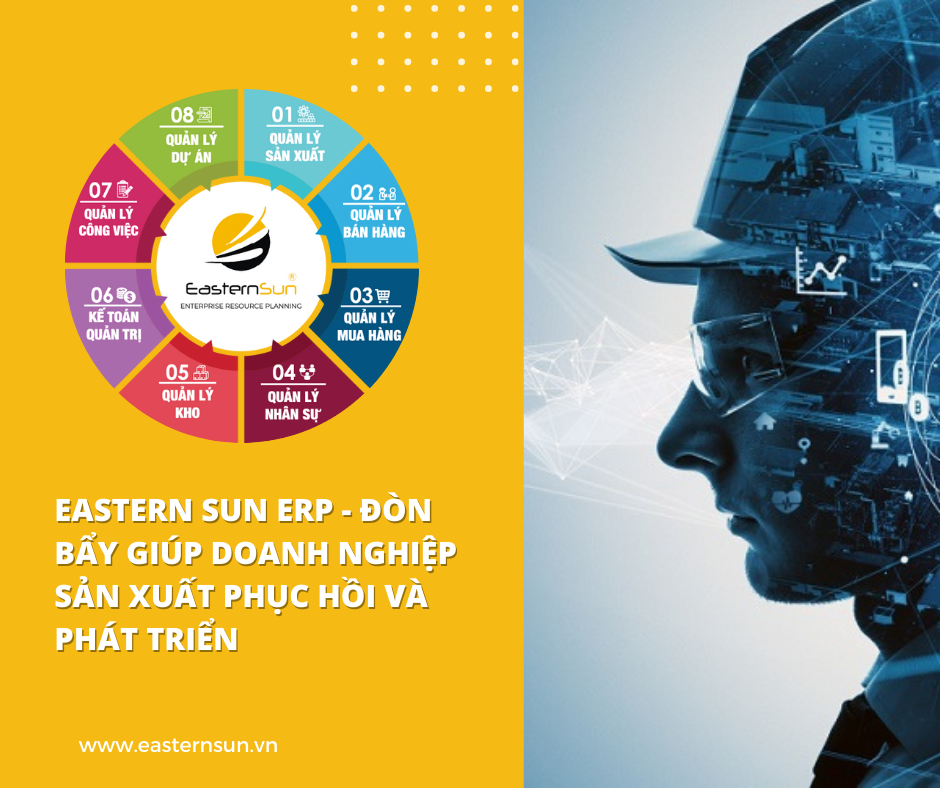
Welcome to our exploration of the benefits of cloud ERP for manufacturing companies! In today’s fast-paced and ever-changing business environment, manufacturing companies are constantly looking for ways to improve efficiency, streamline processes, and stay ahead of the competition. Cloud ERP offers a modern solution to help companies achieve these goals by providing real-time access to critical data, enhancing collaboration among teams, and improving overall productivity. Let’s delve into the advantages that cloud ERP can offer to manufacturing companies in today’s digital age.
Overview of Cloud ERP for Manufacturing
Cloud ERP for manufacturing is a type of enterprise resource planning (ERP) software that is hosted on a cloud platform. This means that instead of being installed on physical servers at the manufacturing facility, the software is accessed remotely through the internet. This allows manufacturers to access their ERP system from anywhere, at any time, as long as they have an internet connection.
One of the key benefits of cloud ERP for manufacturing is its scalability. Manufacturers can easily add or remove users, modules, or features as their business needs change, without having to invest in expensive hardware or software upgrades. This flexibility allows manufacturers to quickly adapt to changing market conditions and increase their operational efficiency.
Cloud ERP for manufacturing also offers built-in security features to protect sensitive business data. Cloud providers invest heavily in data security measures, such as encryption, firewalls, and intrusion detection systems, to ensure that their customers’ data is safe from cyber threats. This level of security is often beyond the capabilities of small to medium-sized manufacturing companies that operate on-premises ERP systems.
Another advantage of cloud ERP for manufacturing is the cost savings it offers. By leveraging the cloud infrastructure provided by the ERP vendor, manufacturers can reduce their IT expenses, such as server maintenance, software updates, and IT staff salaries. Cloud ERP is typically offered on a subscription basis, which means that manufacturers only pay for the features and services they use, making it a cost-effective solution for businesses of all sizes.
Furthermore, cloud ERP for manufacturing provides real-time data visibility and analytics capabilities. Manufacturers can track key performance indicators (KPIs), monitor production processes, and make informed decisions based on accurate, up-to-date information. This level of visibility enables manufacturers to identify inefficiencies, streamline operations, and improve overall business performance.
In conclusion, cloud ERP for manufacturing offers a host of benefits, including scalability, security, cost savings, and real-time data visibility. By leveraging cloud technology, manufacturers can streamline their operations, increase efficiency, and stay competitive in today’s fast-paced manufacturing environment.
Benefits of Implementing Cloud ERP in Manufacturing Industry
Cloud ERP systems offer numerous benefits for the manufacturing industry. One of the key advantages is scalability. Cloud ERP allows manufacturers to easily scale up or down their operations without the need for expensive hardware upgrades or additional IT resources. This flexibility is crucial for manufacturers, especially those experiencing rapid growth or seasonal fluctuations in demand.
Another benefit of cloud ERP for manufacturing is cost savings. Traditional on-premise ERP systems require significant upfront investments in hardware, software, and IT infrastructure. In contrast, cloud ERP operates on a subscription-based model, allowing manufacturers to pay only for the services they use. This can result in lower total cost of ownership and predictable monthly expenses.
Cloud ERP also offers improved accessibility and mobility. With cloud-based systems, employees can access real-time data from anywhere with an internet connection. This enables manufacturers to make more informed decisions, collaborate with remote teams, and respond quickly to changing market conditions. Additionally, cloud ERP systems are often user-friendly and intuitive, reducing the need for extensive training and allowing employees to focus on their core tasks.
Data security is another critical benefit of cloud ERP for the manufacturing industry. Cloud ERP providers invest in robust security measures to protect sensitive business data from cyber threats and unauthorized access. This includes encryption, regular data backups, and compliance with industry regulations. Manufacturers can have peace of mind knowing that their valuable information is stored securely in the cloud.
Furthermore, cloud ERP systems offer enhanced integration capabilities. Manufacturers can easily integrate their ERP system with other business applications, such as CRM, supply chain management, and e-commerce platforms. This seamless integration streamlines business processes, eliminates duplicate data entry, and ensures accurate and up-to-date information across the organization.
Lastly, cloud ERP enables manufacturers to stay competitive in a rapidly evolving industry. By leveraging cloud technology, manufacturers can innovate faster, adapt to market changes more effectively, and meet customer demands with agility. Cloud ERP empowers manufacturers to stay ahead of the curve and drive business growth in a dynamic and competitive landscape.
Key Features to Look for in a Cloud ERP System for Manufacturing
When it comes to selecting a cloud ERP system for manufacturing, there are several key features that you should be on the lookout for to ensure that you are getting the best solution for your business. Here are some important features to consider:
1. Scalability: One of the most important features to look for in a cloud ERP system for manufacturing is scalability. Your business may grow over time, so it is crucial that the ERP system you choose is capable of growing with your business. Make sure the system can handle an increase in users, transactions, and data volume without compromising performance.
2. Integration: Another crucial feature to consider is integration capabilities. Your cloud ERP system should be able to seamlessly integrate with other systems that your manufacturing business uses, such as CRM, e-commerce, and supply chain management systems. This will help streamline processes and improve efficiency across departments.
3. Real-Time Data Analytics: In today’s fast-paced manufacturing industry, real-time data analytics are essential for making informed decisions quickly. Look for a cloud ERP system that provides advanced analytics tools to monitor key performance indicators (KPIs) in real-time. This will allow you to track production efficiency, inventory levels, and other metrics to optimize operations and make data-driven decisions.
4. Mobile Accessibility: With the increasing trend of remote work and on-the-go operations, it is important to choose a cloud ERP system that offers mobile accessibility. Make sure the system is compatible with mobile devices, allowing employees to access critical information and perform tasks from anywhere at any time.
5. Customization: Every manufacturing business is unique, so it is important to choose a cloud ERP system that can be customized to meet your specific needs. Look for a system that offers customizable dashboards, reports, and workflows to tailor the system to your business processes.
6. Security: Data security is a top priority for manufacturing businesses, as they deal with sensitive information such as product designs and customer data. Make sure the cloud ERP system you choose offers robust security features, such as encrypted data transmission, role-based access controls, and regular data backups to protect your valuable information.
7. Support and Training: Finally, consider the level of support and training provided by the ERP vendor. Look for a vendor that offers comprehensive training programs for your employees to ensure they can make the most out of the system. Additionally, make sure the vendor offers reliable customer support to assist you with any technical issues or questions that may arise.
In conclusion, when choosing a cloud ERP system for manufacturing, be sure to consider the key features mentioned above to ensure that you are selecting a solution that meets the unique needs of your business. By selecting a system with scalability, integration capabilities, real-time data analytics, mobile accessibility, customization options, security features, and solid support, you can help drive efficiency, productivity, and growth in your manufacturing operations.
Case Studies of Successful Cloud ERP Implementations in Manufacturing
Cloud ERP systems are revolutionizing the way manufacturing companies operate by providing enhanced flexibility, scalability, and accessibility to crucial business data. Here are some case studies showcasing successful implementations of Cloud ERP in the manufacturing industry:
1. ABC Manufacturing Company:
ABC Manufacturing Company, a leading player in the consumer goods industry, decided to switch from their traditional on-premise ERP system to a cloud-based ERP solution. With the help of a well-planned implementation strategy and expert guidance from their ERP provider, ABC Manufacturing Company seamlessly transitioned to the cloud. The company witnessed significant improvements in inventory management, production planning, and supply chain visibility. The real-time data access provided by the cloud ERP system enabled them to make informed decisions swiftly, resulting in improved operational efficiency and cost savings.
2. XYZ Automotive Solutions:
XYZ Automotive Solutions, a mid-sized automotive parts manufacturer, faced challenges with their outdated legacy ERP system that was hindering their growth and competitiveness. They decided to adopt a cloud ERP solution to modernize their operations and streamline their processes. The implementation of the cloud ERP system enabled XYZ Automotive Solutions to automate their shop floor operations, track production processes in real-time, and optimize their inventory management. As a result, the company experienced a significant reduction in lead times, improved product quality, and increased customer satisfaction.
3. LMN Electronics Corporation:
LMN Electronics Corporation, a global leader in electronic components manufacturing, embarked on a digital transformation journey by migrating to a cloud ERP platform. The implementation of the cloud ERP system enabled LMN Electronics Corporation to consolidate their global operations, standardize their processes, and enhance collaboration across departments. The real-time analytics and reporting capabilities of the cloud ERP system empowered the company to drive continuous improvement initiatives, optimize production schedules, and adapt quickly to market changes. As a result, LMN Electronics Corporation witnessed improved productivity, reduced operational costs, and increased profitability.
4. PQR Machinery Inc.:
PQR Machinery Inc., a renowned heavy equipment manufacturer, was facing challenges with their complex supply chain and production processes. They turned to a cloud ERP solution to streamline their operations and gain better control over their manufacturing activities. The cloud ERP implementation at PQR Machinery Inc. enabled them to achieve real-time visibility into their inventory levels, production schedules, and supplier performance. The system integration capabilities of the cloud ERP platform seamlessly connected their shop floor operations with their sales and procurement processes, leading to improved coordination and efficiency. As a result, PQR Machinery Inc. experienced accelerated production cycles, reduced lead times, and increased customer satisfaction.
Overall, these case studies highlight the transformative impact of cloud ERP systems on manufacturing companies, enabling them to achieve operational excellence, enhance decision-making capabilities, and drive sustainable growth in today’s competitive business environment.
Challenges and Considerations in Adopting Cloud ERP for Manufacturing Industry
As manufacturing companies increasingly shift towards adopting cloud-based ERP systems, they are faced with a number of challenges and considerations. These challenges can range from technical issues to organizational change management, and it is important for companies to carefully assess these factors before making the transition.
One of the main challenges that manufacturing companies may face when adopting cloud ERP systems is data security and privacy concerns. With sensitive information such as production schedules, inventory levels, and customer data being stored in the cloud, there is a risk of data breaches and cyber-attacks. It is essential for companies to work with reputable cloud ERP providers that offer robust security measures to protect their data.
Another challenge in adopting cloud ERP for manufacturing is the integration of existing systems and processes. Many manufacturing companies have legacy systems in place that may not easily integrate with the cloud ERP system. This can lead to disruptions in operations and challenges in data migration. Companies need to carefully plan and strategize the integration process to minimize these disruptions.
Furthermore, scalability is a key consideration for manufacturing companies looking to adopt cloud ERP systems. As businesses grow and expand, they need a system that can easily scale to accommodate their changing needs. Cloud ERP systems offer the advantage of scalability, allowing companies to add or remove users and features as needed. However, companies need to carefully evaluate the scalability options offered by their cloud ERP provider to ensure they can support future growth.
Training and employee adoption is also a crucial consideration when implementing cloud ERP systems in the manufacturing industry. Employees need to be trained on how to use the new system effectively to maximize its benefits. Resistance to change and lack of training can lead to low adoption rates and inefficiencies in operations. Companies need to invest in comprehensive training programs and change management strategies to ensure a successful transition to the cloud ERP system.
Lastly, cost is a significant factor that manufacturing companies need to consider when adopting cloud ERP systems. While cloud-based systems offer the advantage of lower upfront costs and reduced IT infrastructure expenses, there may be hidden costs such as customization, integration, and ongoing maintenance fees. Companies need to carefully evaluate the total cost of ownership of the cloud ERP system and compare it to the potential benefits and ROI to make an informed decision.
In conclusion, while there are challenges and considerations in adopting cloud ERP for the manufacturing industry, the benefits such as increased flexibility, scalability, and accessibility make it a worthwhile investment for companies looking to streamline their operations and improve efficiency.