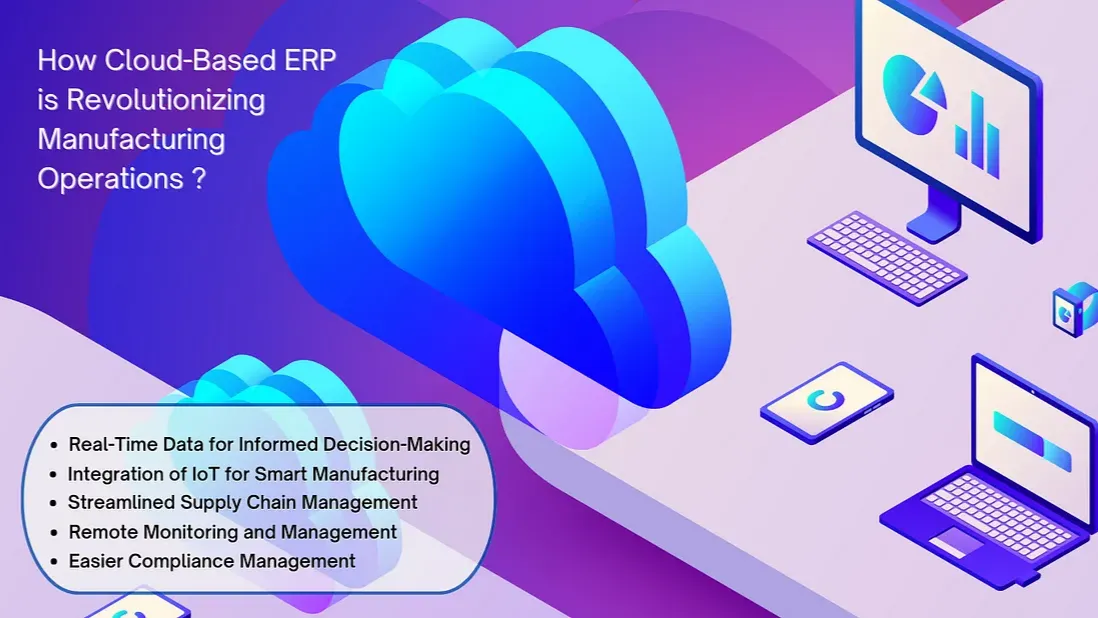
Welcome to the world of manufacturing ERP systems in the cloud! In this digital age, cloud-based solutions have revolutionized the way businesses operate, and manufacturing is no exception. Companies are now turning to cloud-based ERP systems to streamline their operations, improve efficiency, and reduce costs. From real-time data access to seamless integration with other systems, the benefits of cloud-based manufacturing ERP systems are undeniable. Let’s explore how these systems can transform your manufacturing processes and drive your business forward.
Benefits of Using a Cloud-Based Manufacturing ERP
Cloud-based Manufacturing ERP systems offer a multitude of benefits for companies looking to streamline their operations and improve efficiency. One of the primary advantages of using a cloud-based system is the ability to access real-time data from anywhere, at any time. This means that employees can log in to the system remotely, whether they are in the office, at home, or on the go, and have access to the most up-to-date information about the status of production, inventory levels, and more.
Another major benefit of using a cloud-based Manufacturing ERP is the cost savings associated with this type of system. Traditional on-premise ERP systems can be expensive to implement and maintain, requiring companies to invest in hardware, software licenses, and IT personnel to manage the system. In contrast, cloud-based systems are typically offered on a subscription basis, with the provider handling all of the maintenance and updates. This can result in significant cost savings for companies, particularly for smaller businesses with limited resources.
Furthermore, cloud-based Manufacturing ERP systems are highly scalable, allowing companies to easily add or remove users and modules as needed. This flexibility is especially useful for growing companies that may need to expand their operations or change their processes over time. Additionally, cloud-based systems are often more agile and responsive to changes in the market, making it easier for companies to adapt to new trends and opportunities.
In addition to these practical benefits, using a cloud-based Manufacturing ERP can also lead to improved collaboration and communication within an organization. Because all of the data is stored in the cloud and accessible to authorized users, employees can easily share information, work together on projects, and make decisions based on real-time data. This can lead to greater efficiency, better decision-making, and ultimately, improved business outcomes.
Overall, the benefits of using a cloud-based Manufacturing ERP are numerous and can have a significant impact on a company’s bottom line. From cost savings and scalability to improved collaboration and agility, a cloud-based system can help companies streamline their operations, reduce inefficiencies, and stay competitive in an increasingly fast-paced business environment.
Key Features to Look for in a Cloud-Based Manufacturing ERP
When considering a cloud-based Manufacturing ERP system, there are several key features that you should look for to ensure that the platform meets the needs of your business. These features are essential for maximizing efficiency, improving productivity, and streamlining operations. Here are some of the key features to consider when selecting a cloud-based Manufacturing ERP:
1. Scalability: One of the most important features to look for in a cloud-based Manufacturing ERP is scalability. Your business needs are likely to change and grow over time, so it is essential that your ERP system can scale with your business. Look for a platform that can easily accommodate additional users, data, and functionality as your business expands.
2. Customization: Another crucial feature to consider is the ability to customize the ERP system to meet the specific needs of your manufacturing operations. Every business is unique, and a one-size-fits-all solution may not provide the functionality that you require. Look for a cloud-based Manufacturing ERP that offers customization options, allowing you to tailor the platform to your exact requirements. This may include custom fields, workflows, reporting capabilities, and user interfaces.
3. Integration Capabilities: Your Manufacturing ERP system should seamlessly integrate with other software applications that your business uses. This may include CRM systems, supply chain management tools, accounting software, and more. Look for a cloud-based Manufacturing ERP that offers robust integration capabilities, making it easy to share data and streamline processes across your organization.
4. Mobility: In today’s fast-paced business environment, it is essential to have access to your ERP system from anywhere, at any time. Look for a cloud-based Manufacturing ERP that offers mobile capabilities, allowing you to access key data and functionality from your smartphone or tablet. This will enable you to make informed decisions on the go and stay connected to your business operations at all times.
5. Real-Time Analytics: Data is a valuable asset for any manufacturing business, but it is only useful if it can be analyzed and acted upon in real time. Look for a cloud-based Manufacturing ERP that offers robust analytics tools, allowing you to track key performance indicators, monitor production processes, and identify areas for improvement. Real-time analytics will help you make informed decisions and drive continuous improvement within your organization.
How Cloud-Based Manufacturing ERPs Improve Efficiency
Cloud-based manufacturing ERPs are revolutionizing the way businesses operate by streamlining processes and improving efficiency. Here are three key ways in which these systems are enhancing productivity in the manufacturing industry.
1. Real-Time Data Access: One of the major advantages of cloud-based manufacturing ERPs is the ability to access real-time data from anywhere, at any time. This means that employees can easily track the progress of production processes, monitor inventory levels, and make informed decisions on the go. With this level of visibility, mistakes can be identified and corrected quickly, reducing delays and improving overall efficiency.
2. Seamless Integration: Cloud-based manufacturing ERPs are designed to seamlessly integrate with other systems and applications, making it easier for different departments to collaborate and share information. By connecting everything from production planning to inventory management, these systems eliminate silos and promote better communication within the organization. This streamlined approach leads to smoother workflows and faster decision-making, ultimately improving efficiency.
3. Enhanced Collaboration: With cloud-based manufacturing ERPs, collaboration becomes easier than ever before. Employees can work together on projects in real-time, regardless of their physical location. This means that teams can collaborate on production schedules, monitor quality control processes, and share insights instantly. By breaking down barriers to communication and fostering a culture of collaboration, cloud-based manufacturing ERPs promote teamwork and enhance overall efficiency.
In conclusion, cloud-based manufacturing ERPs are a game-changer for businesses looking to improve efficiency in the manufacturing industry. By providing real-time data access, seamless integration, and enhanced collaboration, these systems are revolutionizing the way organizations operate. With the ability to streamline processes, eliminate silos, and promote teamwork, cloud-based manufacturing ERPs are helping businesses achieve new levels of productivity and success.
Security Considerations When Using a Cloud-Based Manufacturing ERP
When it comes to using a Cloud-Based Manufacturing ERP system, security is always a top concern. With sensitive data and valuable information stored in the cloud, it is essential to ensure that proper security measures are in place to protect against cyber threats and breaches. Here are some key security considerations to keep in mind when utilizing a Cloud-Based Manufacturing ERP:
1. Data Encryption: One of the critical aspects of securing data in the cloud is encryption. Data encryption involves encoding data in such a way that only authorized users with the decryption key can access it. When selecting a Cloud-Based Manufacturing ERP system, make sure that it offers robust data encryption protocols to safeguard your sensitive information.
2. Access Control: Controlling access to your Cloud-Based Manufacturing ERP system is crucial for preventing unauthorized users from gaining entry. Implementing strong password policies, multi-factor authentication, and role-based access controls can help ensure that only authorized employees can access the system.
3. Regular Security Audits: Conducting regular security audits and assessments can help identify any vulnerabilities or weaknesses in the system. By continuously monitoring and evaluating the security of your Cloud-Based Manufacturing ERP, you can proactively address any potential threats and strengthen your defenses against cyber attacks.
4. Secure Integration with Third-Party Applications: One common feature of Cloud-Based Manufacturing ERP systems is their ability to integrate with third-party applications and services. While this integration can enhance the functionality and efficiency of the system, it can also introduce security risks. It is essential to ensure that the third-party applications you integrate with your Cloud-Based Manufacturing ERP have robust security measures in place to protect your data.
When integrating third-party applications with your Cloud-Based Manufacturing ERP, conduct thorough security assessments of the applications to ensure that they meet your organization’s security standards. Verify that the applications adhere to industry best practices for security and data protection, and consider implementing additional security measures such as data encryption and access controls to mitigate any potential risks.
By taking these security considerations into account when using a Cloud-Based Manufacturing ERP system, you can help safeguard your sensitive data and protect your organization from cyber threats and breaches. Remember that security is an ongoing process, and it is essential to stay vigilant and continuously monitor and enhance the security measures in place to ensure the protection of your data in the cloud.
Integrating Cloud-Based Manufacturing ERP with Other Systems
When it comes to integrating cloud-based manufacturing ERP with other systems, the possibilities are endless. Cloud-based ERP systems are designed to be user-friendly and flexible, making it easy to connect with various other software applications that a manufacturing company may be using. By integrating these systems, companies can streamline their processes, improve efficiency, and gain valuable insights into their operations.
One of the key benefits of integrating cloud-based manufacturing ERP with other systems is the ability to centralize data. By connecting all systems and applications to the cloud ERP, companies can ensure that all data is stored in one centralized location, making it easier to access and analyze. This can help eliminate data silos and ensure that all departments have access to the same up-to-date information.
Another advantage of integrating cloud-based manufacturing ERP with other systems is the improved visibility it provides. By connecting systems such as inventory management, supply chain management, and production planning to the ERP, companies can gain a comprehensive view of their operations. This visibility can help identify bottlenecks, inefficiencies, and areas for improvement, allowing companies to make informed decisions and optimize their processes.
Furthermore, integrating cloud-based manufacturing ERP with other systems can enhance collaboration and communication within the organization. By connecting systems such as customer relationship management (CRM) and project management to the ERP, companies can improve cross-departmental communication and coordination. This can lead to faster decision-making, improved customer service, and more efficient project execution.
Additionally, integrating cloud-based manufacturing ERP with other systems can help companies leverage the power of data analytics. By connecting systems such as business intelligence and data visualization tools to the ERP, companies can gain valuable insights into their operations. This data-driven approach can help identify trends, patterns, and opportunities for growth, allowing companies to make data-driven decisions and stay ahead of the competition.
In conclusion, integrating cloud-based manufacturing ERP with other systems can bring numerous benefits to a manufacturing company. From centralizing data and improving visibility to enhancing collaboration and leveraging data analytics, the possibilities are endless. By connecting all systems to the cloud ERP, companies can streamline their processes, improve efficiency, and gain a competitive edge in the market.