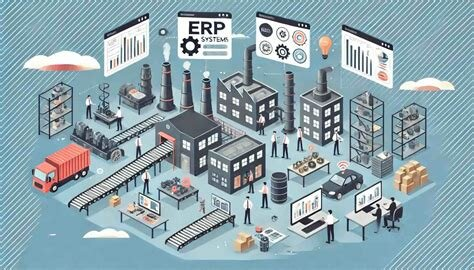
Hey there, manufacturing companies! Are you looking to streamline your operations and boost efficiency? Look no further than Cloud ERP. Cloud ERP, or Enterprise Resource Planning, offers a wide range of benefits for manufacturing companies, from improved data accessibility to simplified collaboration. This article will delve into the advantages of Cloud ERP and how it can revolutionize the way you run your manufacturing business.
What is Cloud ERP Manufacturing?
Cloud ERP Manufacturing is the utilization of cloud-based Enterprise Resource Planning (ERP) software specifically designed for manufacturing industries. ERP systems are software solutions that help businesses manage and integrate their core processes like finance, HR, inventory, supply chain, and more. When these ERP systems are hosted on the cloud, they become more flexible, scalable, and accessible from anywhere with an internet connection.
Cloud ERP Manufacturing allows manufacturers to streamline and optimize their operations, increase efficiency, and reduce costs. By storing all data and processes in the cloud, manufacturers can access real-time information and collaborate with teams across different locations easily. This leads to better decision-making and improved overall productivity.
One of the key benefits of Cloud ERP Manufacturing is cost savings. Traditional on-premise ERP systems require a significant initial investment in hardware, software, and IT infrastructure. With cloud ERP, manufacturers can avoid these high upfront costs and instead pay a subscription fee based on usage. This makes it more affordable for small and medium-sized manufacturers to access and implement an ERP system.
Another advantage of Cloud ERP Manufacturing is scalability. As a manufacturer grows and expands, their ERP system can easily scale up to accommodate increased demand and complexity. Cloud ERP solutions offer the flexibility to add or remove users, modules, or features as needed, making it ideal for businesses experiencing rapid growth or seasonal fluctuations.
In addition, Cloud ERP Manufacturing provides greater mobility and accessibility. Manufacturers can access their ERP system from any device with an internet connection, whether they are on the shop floor, in the office, or working remotely. This enables real-time collaboration, communication, and decision-making, leading to faster response times and improved customer service.
Security is also a major concern for manufacturers when it comes to adopting cloud-based solutions. However, Cloud ERP Manufacturing offers robust security measures to protect sensitive data and ensure compliance with industry regulations. Cloud ERP vendors invest heavily in encryption, firewalls, backups, and disaster recovery plans to safeguard customer information and provide peace of mind.
In conclusion, Cloud ERP Manufacturing is a modern, flexible, and cost-effective solution for manufacturers looking to streamline their operations, increase efficiency, and stay competitive in today’s fast-paced business environment. By leveraging the power of the cloud, manufacturers can access real-time data, improve collaboration, and make smarter decisions that drive growth and success.
Benefits of Cloud ERP for Manufacturing Businesses
Cloud ERP (Enterprise Resource Planning) systems offer numerous benefits for manufacturing businesses looking to streamline their operations and increase efficiency. Here are some of the key advantages that cloud ERP can provide:
1. Cost Savings: Implementing a cloud ERP system can help manufacturing businesses save costs in various ways. With cloud ERP, there is no need for expensive on-premise hardware and software installations. Additionally, cloud ERP systems typically operate on a subscription-based model, allowing businesses to pay for only the services they use. This can result in significant cost savings compared to traditional ERP systems.
2. Scalability: One of the major advantages of cloud ERP for manufacturing businesses is its scalability. Cloud ERP systems can easily adapt to the changing needs of a growing business. As manufacturing businesses expand, they can easily add new users, functionalities, and even new locations to their cloud ERP system without the need for major investments in infrastructure. This scalability allows manufacturing businesses to remain agile and competitive in today’s fast-paced market.
Furthermore, cloud ERP systems can also accommodate seasonal fluctuations in manufacturing demand. Manufacturing businesses can quickly scale up or down their operations as needed without having to worry about being constrained by limited IT resources. This flexibility can help manufacturing businesses reduce costs and optimize their operations to meet changing market demands.
3. Enhanced Data Security: Cloud ERP systems offer enhanced data security measures to protect sensitive manufacturing data. Cloud ERP providers invest heavily in state-of-the-art security protocols to keep manufacturing data safe from cyber threats and breaches. This can provide peace of mind to manufacturing businesses, knowing that their critical data is stored securely in the cloud.
4. Real-time Access to Information: Cloud ERP systems provide real-time access to critical business information from anywhere, at any time. This allows manufacturing businesses to make informed decisions quickly and efficiently. With cloud ERP, manufacturers can track their production processes, inventory levels, and supply chain operations in real-time, enabling them to optimize their processes and improve overall efficiency.
5. Improved Collaboration: Cloud ERP systems facilitate better collaboration among different departments and teams within a manufacturing business. With cloud ERP, employees can easily access shared data and collaborate on projects in real-time, regardless of their physical location. This enhanced collaboration can lead to better communication, increased productivity, and faster decision-making within the organization.
In conclusion, cloud ERP offers numerous benefits for manufacturing businesses looking to streamline their operations, reduce costs, and improve efficiency. From cost savings and scalability to enhanced data security and real-time access to information, cloud ERP can help manufacturing businesses stay competitive in today’s fast-evolving market landscape.
Key Features of Cloud ERP for Manufacturing Industry
Cloud ERP software offers a wide range of features specifically designed to meet the needs of the manufacturing industry. These features are essential for streamlining operations, improving efficiency, and enhancing overall productivity. Here are some key features of Cloud ERP for the manufacturing industry:
1. Real-Time Data Access
One of the most important features of Cloud ERP for manufacturing is the ability to access real-time data anytime, anywhere. This feature allows managers and decision-makers to stay updated on production schedules, inventory levels, and other critical information. With real-time data access, you can make more informed decisions quickly, leading to better outcomes for your manufacturing business.
2. Inventory Management
Cloud ERP systems offer robust inventory management capabilities that help manufacturing companies keep track of their stock levels accurately. With features like automated inventory tracking, barcode scanning, and real-time updates, you can ensure that you always have the right amount of raw materials and finished goods on hand. This reduces the risk of stockouts, overstocking, and other inventory-related issues, ultimately improving your bottom line.
3. Production Planning and Scheduling
Production planning and scheduling are crucial aspects of manufacturing operations, and Cloud ERP software excels in this area. With advanced features such as demand forecasting, capacity planning, and automated scheduling, you can optimize your production processes for maximum efficiency. Cloud ERP allows you to create realistic production schedules, allocate resources effectively, and minimize downtime, leading to improved productivity and profitability.
4. Quality Control
Quality control is essential in the manufacturing industry to ensure that products meet the required standards of quality and safety. Cloud ERP software comes equipped with quality control modules that allow you to monitor and track quality metrics throughout the production process. With features like automated inspections, non-conformance tracking, and root cause analysis, you can identify and address quality issues quickly, reducing waste and rework.
5. Supply Chain Management
Effective supply chain management is vital for manufacturing companies to ensure smooth operations and timely delivery of products. Cloud ERP systems offer robust supply chain management features that help you streamline procurement, logistics, and vendor management processes. With real-time visibility into your supply chain, you can optimize inventory levels, reduce lead times, and mitigate risks, ultimately improving your supply chain efficiency and reliability.
In conclusion, Cloud ERP software offers a comprehensive suite of features that address the unique challenges faced by the manufacturing industry. From real-time data access to supply chain management, Cloud ERP empowers manufacturing companies to enhance their operations, improve efficiency, and drive growth. By leveraging the key features of Cloud ERP, manufacturers can stay competitive in today’s fast-paced and dynamic business environment.
Implementation Tips for Cloud ERP in Manufacturing
Cloud ERP systems have revolutionized the way manufacturing companies manage their operations by providing real-time visibility, scalability, and flexibility. Implementing a cloud ERP solution in a manufacturing environment can be a daunting task, but with the right strategies in place, it can be a smooth and successful transition. Here are some tips to help manufacturers successfully implement a cloud ERP system:
1. Define clear goals and objectives: Before embarking on the implementation process, it is essential to define clear goals and objectives for the cloud ERP system. Identify what specific challenges and pain points the system will address, and how it will help improve overall efficiency and productivity within the manufacturing operations. Having a clear roadmap will help guide the implementation process and ensure that the system is aligned with the company’s strategic objectives.
2. Involve key stakeholders from the beginning: To ensure a successful implementation, it is crucial to involve key stakeholders from different departments within the organization from the beginning. This includes representatives from production, supply chain, finance, IT, and other relevant departments. By involving key stakeholders in the decision-making process, their input and feedback can help tailor the ERP system to meet the specific needs of different departments and ensure a smoother adoption process.
3. Conduct thorough training and education: Training and education are vital components of a successful cloud ERP implementation. Make sure to provide comprehensive training sessions for end-users to familiarize them with the new system and its functionalities. This will help reduce resistance to change and increase user adoption rates. Additionally, ongoing training and support should be provided to address any issues that may arise post-implementation and ensure that users are getting the most out of the system.
4. Customize the system to meet specific manufacturing requirements: One of the key advantages of cloud ERP systems is their flexibility and ability to be customized to meet specific industry requirements. When implementing a cloud ERP system in a manufacturing environment, it is essential to work closely with the ERP provider to tailor the system to meet the unique needs and processes of the manufacturing operations. This may include customizing workflows, reports, dashboards, and integrating with other manufacturing software systems. By customizing the system to align with specific manufacturing requirements, companies can maximize the benefits of their cloud ERP solution.
5. Ensure data security and compliance: Data security and compliance are critical considerations when implementing a cloud ERP system in a manufacturing environment. Make sure to work with a reputable ERP provider that offers robust security features, such as data encryption, role-based access controls, and regular security updates. Additionally, ensure that the cloud ERP system complies with industry-specific regulations and standards to protect sensitive manufacturing data and ensure compliance with legal requirements.
6. Monitor and evaluate system performance: Once the cloud ERP system is up and running, it is essential to monitor and evaluate its performance regularly. This includes tracking key performance indicators (KPIs) to measure the system’s impact on manufacturing operations, identifying any bottlenecks or issues, and making any necessary adjustments to optimize system performance. Regular monitoring and evaluation will help ensure that the cloud ERP system continues to meet the evolving needs of the manufacturing operations and drive continuous improvement.
By following these implementation tips, manufacturing companies can successfully implement a cloud ERP system that enhances operational efficiency, streamlines processes, and drives business growth. With the right strategies and approaches in place, manufacturers can maximize the benefits of cloud ERP technology and stay ahead in today’s competitive manufacturing landscape.
Case Studies: Successful Adoption of Cloud ERP in Manufacturing Sector
In recent years, the manufacturing sector has seen a significant shift towards adopting Cloud ERP solutions to streamline their operations, enhance efficiency, and improve overall business performance. Several success stories of companies in the manufacturing industry have demonstrated the benefits of implementing Cloud ERP systems. Let’s take a closer look at some case studies of successful adoption of Cloud ERP in the manufacturing sector:
1. Company A
Company A, a mid-sized manufacturing firm specializing in electronics, decided to implement a Cloud ERP solution to replace their outdated legacy system. The new Cloud ERP system streamlined their production processes, improved inventory management, and enhanced collaboration among different departments. As a result, Company A experienced a significant increase in productivity and efficiency, leading to cost savings and profitability.
2. Company B
Company B, a large automotive manufacturing company, faced challenges with their manual data entry and reporting processes. They opted to switch to a Cloud ERP system to automate their operations and gain real-time insights into their production performance. With the implementation of Cloud ERP, Company B was able to reduce errors, minimize downtime, and optimize their supply chain management, leading to improved customer satisfaction and increased profitability.
3. Company C
Company C, a food and beverage manufacturer, struggled with managing their complex production schedules and inventory levels. They decided to leverage a Cloud ERP solution to centralize their data, improve forecasting accuracy, and streamline their production planning processes. The implementation of Cloud ERP enabled Company C to reduce waste, minimize stockouts, and optimize their production efficiency, resulting in higher production output and improved profitability.
4. Company D
Company D, a pharmaceutical manufacturer, recognized the need to enhance their compliance and traceability processes to meet regulatory requirements. By implementing a Cloud ERP system that offered robust tracking and reporting capabilities, Company D was able to ensure product safety, quality control, and regulatory compliance throughout their production cycle. The adoption of Cloud ERP not only helped Company D to meet industry standards but also improved their operational efficiency and customer trust.
5. Company E (Example with additional detail)
Company E, a furniture manufacturing company, was facing challenges with inventory management, production scheduling, and order processing. They decided to implement a Cloud ERP system that offered advanced features such as real-time analytics, demand forecasting, and production planning tools. The Cloud ERP solution enabled Company E to gain better visibility into their supply chain, track inventory levels accurately, and optimize their production schedules based on customer demand.
Moreover, Company E integrated their Cloud ERP system with IoT devices on their factory floor to monitor machine performance, automate production processes, and improve maintenance scheduling. This integration helped Company E to minimize downtime, reduce production costs, and enhance overall operational efficiency. As a result, Company E saw a significant increase in production output, decreased lead times, and improved customer satisfaction, positioning them as a market leader in the furniture manufacturing industry.
These case studies demonstrate the successful adoption of Cloud ERP in the manufacturing sector, highlighting the tangible benefits of improved efficiency, cost savings, and enhanced competitiveness for companies that leverage Cloud ERP solutions.